


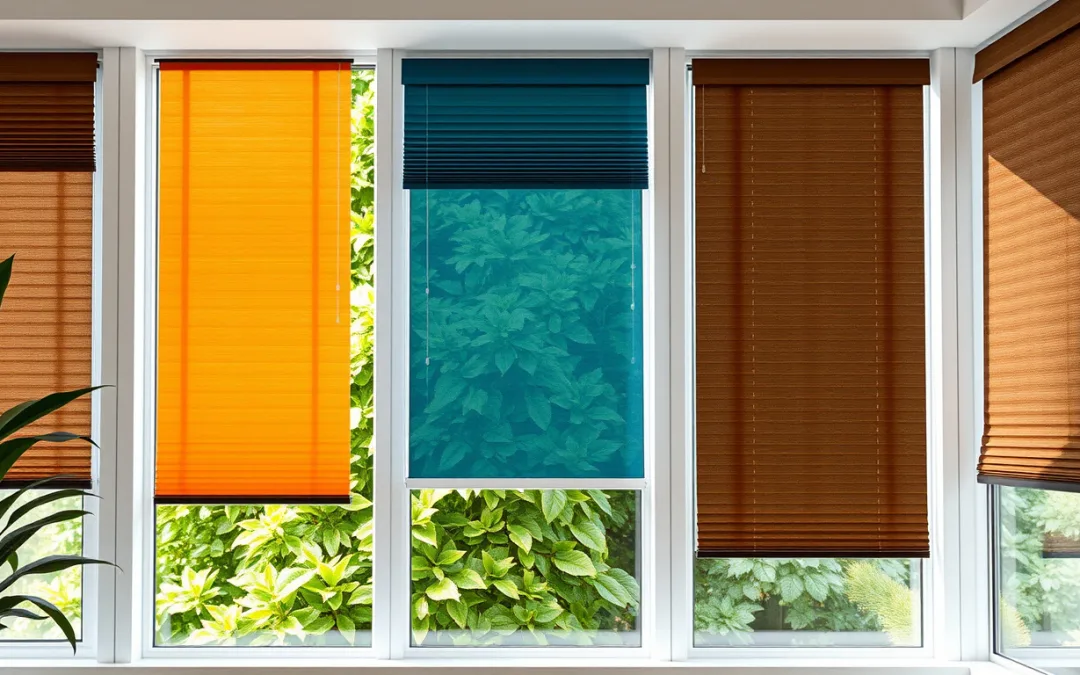
When it comes to choosing window treatments for your home, one of the most important factors to consider is humidity, especially in coastal regions or areas prone to high moisture levels.
High humidity can wreak havoc on traditional window coverings, leading to warping, mold growth, and unsightly wear and tear.
That’s where selecting the right blinds for high humidity areas becomes essential.
In this article, we’ll explore the characteristics of effective blinds, highlight the best materials suited for humid environments, and showcase our top five blinds that combine style and functionality while combating the challenges posed by moisture.
Whether you’re looking to enhance your bathroom, kitchen, or any moisture-prone room, we’ve got you covered with practical styling tips and maintenance advice.


Key Takeaways
- High humidity can significantly affect the lifespan of window treatments.
- Look for materials like vinyl, aluminum, and composite that resist moisture damage.
- The top five blinds for humid areas include faux wood, vinyl mini blinds, and bamboo shades.
- Styling tips for moisture-resistant blinds can enhance both functionality and aesthetics.
- Regular maintenance is key to prolonging the life of blinds in high humidity settings.
Understanding Humidity and Its Effects on Window Treatments
Humidity can play a significant role in the overall performance and longevity of your window treatments, making it essential to choose those specifically designed for high humidity areas.
Understanding the characteristics of humidity is crucial when selecting the right window treatment for your space.
High humidity can cause materials such as wood and fabric to warp, mold, or fade over time.
Hence, blinds for high humidity areas should be crafted from water-resistant materials like vinyl, faux wood, or aluminum.
These options not only enhance durability but also provide effective light control and privacy, making them ideal for bathrooms, kitchens, and laundry rooms.
By investing in the right blinds, you’ll not only elevate the aesthetic appeal of your interiors but also protect your investment from the damaging effects of moisture.
Materials to Look for in High Humidity Blinds
When considering blinds for high humidity areas, the choice of materials is crucial to ensure durability and functionality.
Opt for synthetic materials such as vinyl or faux wood, as they are resistant to warping, mold, and mildew—common issues in humid environments.
Additionally, aluminum blinds provide a sleek, modern look while standing up to moisture without rusting.
Cellular shades made from moisture-resistant fabric can also offer excellent insulation and style, making them ideal for bathrooms or kitchens.
By selecting the right materials for your blinds, you can maintain a stylish appearance in high humidity areas while protecting your investment and ensuring longevity.
‘The best way to predict the future is to create it.’ – Peter Drucker

Top 5 Blinds Ideal for Humid Environments
When it comes to choosing the right blinds for high humidity areas, it’s essential to consider materials that can withstand moisture without warping or degrading.
The top five blinds ideal for humid environments include vinyl blinds, which are water-resistant and easy to clean; aluminum mini blinds, known for their durability and rust-resistance; bamboo shades, which offer an eco-friendly option that breathes and can withstand dampness; faux wood blinds, providing the aesthetic of wood but without the risk of damage; and roller shades made from synthetic fabrics that can repel moisture.
Utilizing these materials will not only enhance the aesthetic of your space but also ensure the longevity of your window treatments in challenging environments.
Styling Tips for Choosing Moisture-Resistant Blinds
When selecting blinds for high humidity areas, it’s essential to prioritize materials that can withstand moisture without warping or damaging over time.
Vinyl and aluminum are excellent options, as they are not only resistant to humidity but also easy to clean, making them ideal for spaces like bathrooms or kitchens.
Additionally, consider the style and color of your blinds to complement your home’s aesthetics; light colors can help brighten the space, while darker shades offer a modern touch.
It’s also wise to choose blinds with a slat size that allows for maximum airflow, thus preventing mold growth.
By focusing on functionality and style, you can select the perfect blinds that will not only enhance your home’s look but also endure the challenges posed by high humidity.

Maintenance and Care for Blinds in High Humidity Areas
Maintaining and caring for blinds in high humidity areas is crucial to ensure their longevity and performance.
Selecting the right blinds for high humidity areas is the first step; materials such as PVC, faux wood, or aluminum excel in moisture-resistant properties, making them suitable for environments like bathrooms and kitchens.
Regular cleaning is essential: dust and moisture can accumulate quickly, so using a damp cloth or a microfiber duster will help remove any residue without damaging the blinds.
Additionally, ensure that the blinds are fully opened during peak humidity times to allow air circulation, which prevents mold and mildew growth.
It’s also wise to occasionally check for signs of wear or corrosion, particularly on metal components, as high humidity can accelerate deterioration.
By implementing these maintenance practices, you can keep your blinds looking fresh and functioning effectively, enhancing the overall aesthetic and functionality of your space, all while safeguarding your investment in quality window treatments.
Frequently Asked Questions
What are the effects of high humidity on window treatments?
High humidity can cause mold and mildew growth, warping of materials, and deterioration of traditional window treatments.
Blinds specifically designed for high humidity areas are made from moisture-resistant materials to combat these issues.
What materials should I look for in blinds for high humidity areas?
Look for materials such as vinyl, aluminum, or polymer, as they are moisture-resistant and won’t warp or deteriorate in humid conditions.
Avoid wooden blinds unless they are specifically treated for humidity.
What are the top 5 blinds recommended for humid environments?
The top 5 blinds for high humidity areas include faux wood blinds, aluminum horizontal blinds, vinyl vertical blinds, woven shades made from synthetic materials, and cellular shades designed with moisture-resistant fabrics.
How can I style my space while using moisture-resistant blinds?
You can choose from a variety of colors and styles that complement your décor.
Pairing various types of blinds with curtains can add texture, while selecting lighter colors can help create a more open and airy feel in humid areas.
What maintenance is required for blinds in high humidity areas?
Maintenance involves regularly cleaning the blinds to prevent dust and mold buildup.
Use a damp cloth for cleaning and ensure sufficient ventilation in the area to minimize moisture exposure.
Contact Details
Address: Zamori Estate, Willowbrook, Roodepoort
Tel: 011 795 4200
email: sales@blindsolutions.co.za
Web: www.blindsolutions.co.za