


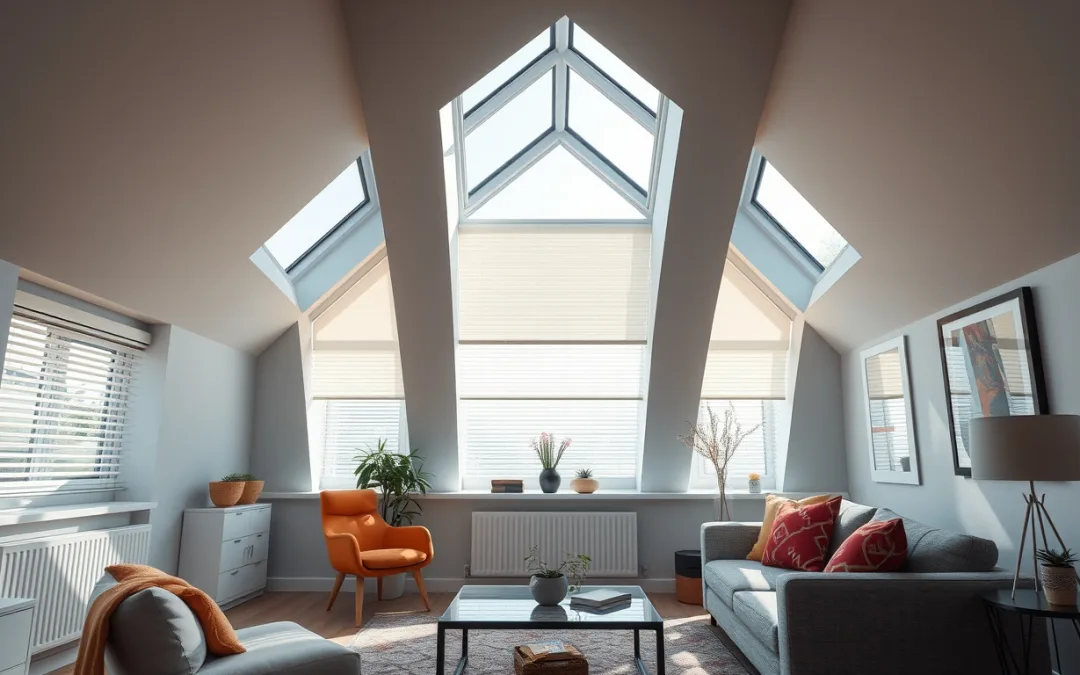
Skylights are a fantastic addition to any home, allowing natural light to flood into spaces that might otherwise be dim and uninspiring.
However, maximizing the benefits of your skylights goes beyond just installation; incorporating the right blinds for skylights plays a crucial role in enhancing both comfort and style.
In this ultimate guide, we’ll explore the various aspects of skylight blinds, from understanding their significance to practical tips on choosing, installing, and maintaining them.
Let’s dive deep into the world of blinds for skylights and transform your living space into a haven of light and style.


Key Takeaways
- Skylights enhance natural light and improve home aesthetics.
- There are various types of blinds for skylights, including roller, pleated, and blackout options.
- Selecting the right material for skylight blinds is crucial for durability and energy efficiency.
- Proper installation techniques can significantly impact the functionality of skylight blinds.
- Regular maintenance and cleaning ensure the longevity and performance of skylight blinds.
Understanding Skylights and Their Benefits
Skylights have become increasingly popular in modern homes, not only for their aesthetic appeal but also for the natural light they bring into a space.
These architectural features can transform an otherwise dark room into a bright, inviting area.
However, along with the benefits of added light and ventilation, it’s essential to consider how to manage that light effectively, which is where blinds for skylights come into play.
Blinds specifically designed for skylights can help control the amount of sunlight entering your home, allowing you to create a comfortable environment while protecting your furniture from UV damage.
Additionally, they can assist in regulating indoor temperatures, making your living space more energy-efficient.
Whether you’re looking to reduce glare, maintain privacy, or enhance the overall decor of your home, choosing the right blinds for your skylights is a crucial step in maximizing their benefits.
Different Types of Blinds for Skylights
When it comes to enhancing the functionality and aesthetics of your skylights, choosing the right blinds for skylights is crucial.
There are various types of skylight blinds available, each designed to serve unique purposes and fit different styles.
Firstly, roller blinds are popular for their sleek appearance and ease of use; they roll up neatly when not in use, offering a minimalist look that complements modern interiors.
Secondly, pleated shades add a touch of elegance with their soft folds that can diffuse light beautifully while maintaining privacy.
For those interested in energy efficiency, cellular shades are an excellent choice—they feature honeycomb structures that trap air, helping to insulate your home.
Additionally, solar shades are perfect for controlling glare and reducing heat from direct sunlight without completely obstructing the view.
Lastly, motorized blinds provide convenience and can be controlled from a distance, making them ideal for hard-to-reach skylights.
Understanding these different types of blinds for skylights will help you select the perfect option to enhance your living space.
‘Style is a way to say who you are without having to speak.’ – Rachel Zoe

Choosing the Right Material for Skylight Blinds
When it comes to selecting the ideal blinds for skylights, the choice of material is paramount.
Skylight blinds not only enhance the aesthetics of your space but also play a crucial role in energy efficiency and light control.
Popular materials include fabric, which offers a range of opacity levels for varying light filtration, and aluminum, known for its durability and thermal insulation properties.
Fabric blinds can come in sheer, blackout, or thermal options, allowing you to tailor the ambiance and comfort of your room.
On the other hand, aluminum blinds provide a modern look with excellent longevity, making them a great choice for high-traffic areas.
Additionally, consider materials that are easy to clean and maintain, as skylights can accumulate dust and grime.
Ultimately, the best blinds for skylights will not only complement your home’s interior design but also meet your practical needs like light management and temperature control.
Installation Tips for Skylight Blinds
When it comes to enhancing the functionality and aesthetics of your home, selecting the right blinds for skylights can make a significant difference.
Installing these blinds may seem daunting, but with the right tips, you can achieve an efficient and attractive result.
First, measure your skylight accurately to ensure you select blinds that fit perfectly.
Most manufacturers provide specific guidelines on how to measure, which helps avoid any costly errors.
Secondly, consider the type of blinds that best suits your lifestyle—motorized options offer convenience, especially for hard-to-reach skylights, while manual blinds often provide a more budget-friendly choice.
Additionally, proper installation is crucial; follow the manufacturer’s instructions carefully or consult a professional if you’re unsure.
Finally, don’t forget to consider the material and color of your blinds, as these elements can affect not only aesthetics but also energy efficiency.
By keeping these tips in mind, you can confidently choose and install blinds for skylights that enhance your living space.

Maintaining and Cleaning Skylight Blinds
Maintaining and cleaning blinds for skylights is essential not only for aesthetic appeal but also for maximizing their functionality.
Skylight blinds can accumulate dust, dirt, and stains over time, which might impact their performance and appearance.
To keep your blinds in top condition, start by regularly dusting them with a soft cloth or a vacuum cleaner brush attachment.
For deeper cleans, mix a mild detergent with warm water and gently wipe the surfaces with a damp cloth, avoiding harsh chemicals that could damage the fabric.
It’s also important to inspect the hardware and mechanisms of your skylight blinds periodically to ensure they operate smoothly.
By dedicating a bit of time each month to maintain your blinds for skylights, you ensure they enhance your indoor environment while prolonging their lifespan.
Frequently Asked Questions
What are skylights and what benefits do they offer?
Skylights are windows installed in the roof or ceiling that allow natural light to enter a space.
They enhance the brightness of a room, improve ventilation, and can create a sense of spaciousness.
What types of blinds are available for skylights?
There are several types of blinds for skylights including pleated shades, roller shades, vented skylight blinds, and blackout blinds.
Each type offers different benefits in terms of light control and style.
What materials are best for skylight blinds?
Common materials for skylight blinds include fabric, vinyl, and aluminum.
Fabric offers warmth and insulation, while vinyl and aluminum are durable and easy to clean.
The choice depends on your aesthetic preference and functional needs.
Can I install skylight blinds myself, or should I hire a professional?
Installation can often be done by homeowners with the right tools and instructions, especially for ready-made blinds.
However, hiring a professional is recommended for custom installations or if you’re uncomfortable with DIY tasks.
How do I maintain and clean skylight blinds?
To maintain skylight blinds, regularly dust them with a soft cloth or vacuum with a brush attachment.
For deeper cleaning, check the manufacturer’s instructions for specific guidelines, as the cleaning process may vary depending on the materials used.
Contact Details
Address: Zamori Estate, Willowbrook, Roodepoort
Tel: 011 795 4200
email: sales@blindsolutions.co.za
Web: www.blindsolutions.co.za