


In today’s fast-paced and competitive business environment, the design and functionality of commercial buildings play a crucial role in the success of any organization.
As more companies recognize the importance of creating spaces that are not only efficient but also aesthetically appealing, the focus on maximizing both aspects becomes paramount.
This article explores essential strategies for achieving optimal efficiency and visual appeal in commercial buildings, from understanding design principles to integrating advanced technology and sustainable practices.
By examining successful case studies and future trends, you will gain valuable insights into crafting workspaces that enhance productivity and provide an inviting atmosphere for employees and clients alike.
Blind Solutions Consultancy Packages Available


Integrating Technology for Enhanced Building Performance
In today’s fast-paced world, integrating technology has become a cornerstone for enhancing the performance of commercial buildings.
By embracing advancements such as smart sensors, automated systems, and energy management software, property owners and managers can significantly improve operational efficiency and reduce energy costs.
These technologies allow for real-time monitoring and analysis of various building systems, leading to proactive maintenance and optimized resource usage.
Furthermore, integrating technologies like Building Information Modeling (BIM) enables a more seamless design process, while IoT devices facilitate better communication between systems, enhancing user experience and comfort.
As businesses increasingly prioritize sustainability and efficiency, leveraging technology in commercial buildings is not just beneficial—it’s essential for staying competitive in the market.
Sustainable Practices that Improve Functionality and Appearance
In the ever-evolving landscape of architectural design, sustainable practices have emerged as essential elements that not only enhance the functionality of commercial buildings but also elevate their overall aesthetic appeal.
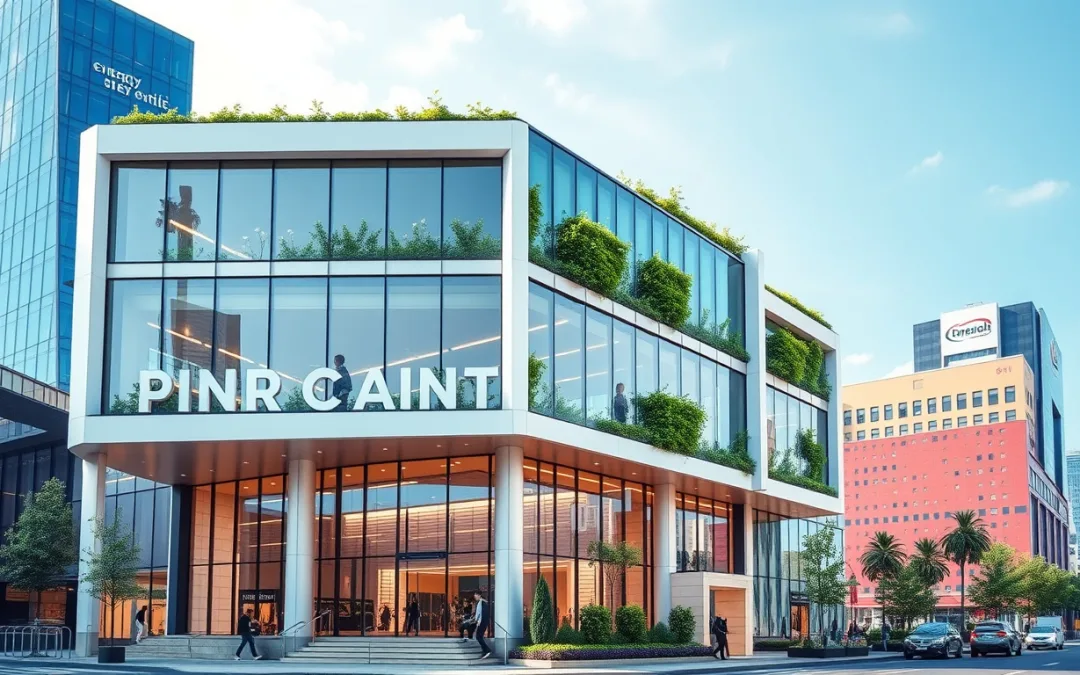
Incorporating green roofs, for instance, not only provides insulation and reduces energy consumption but also introduces greenery that beautifies urban environments.
Similarly, the use of energy-efficient lighting and HVAC systems not only reduces operational costs but also significantly diminishes a building’s carbon footprint, making it a more attractive option for eco-conscious tenants and visitors.
Choosing sustainable materials, such as recycled steel or bamboo, not only contributes to a building’s durability but also adds a unique visual contrast that can set a structure apart.
Together, these practices lead to the creation of commercial buildings that not only meet the demands of functionality and compliance but also resonate with the growing public preference for sustainable design, ultimately fostering a more harmonious relationship between architecture and the environment.
