


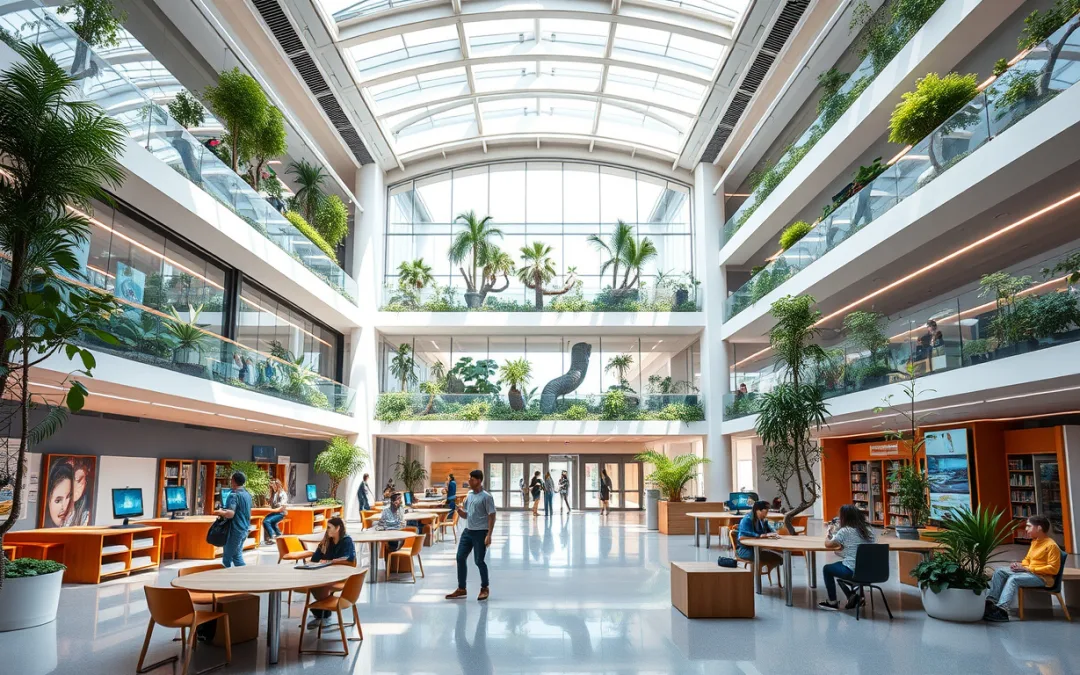
The landscape of education is constantly evolving, and with it, the structures that house learning—education buildings.
As we step into a new era of teaching methodologies and technological advancements, the design and functionality of these buildings have come to play a pivotal role in shaping the educational experience.
In this article, we will explore the evolution of education buildings, emphasizing the importance of flexible learning environments, the incorporation of technology, sustainable design practices, collaborative spaces, and the vital role community plays in shaping these educational infrastructures.
Join us as we delve into how these elements combine to create inspiring learning environments for the future.
Blind Solutions Consultancy Packages Available


Incorporating Technology into Learning Spaces
Incorporating technology into education buildings is crucial for creating a dynamic and interactive learning environment that meets the needs of today’s digital-savvy students.
Modern educational facilities are now designed to seamlessly integrate advanced technological tools that enhance teaching methods and foster collaborative learning.
This can include smartboards, interactive projectors, and classroom management software that engage students more effectively than traditional methods.
Furthermore, flexible learning spaces allow educators to utilize technology in various teaching styles, whether it’s through virtual reality for immersive learning experiences or mobile devices for instant research and collaboration.
By prioritizing the integration of technology, education buildings not only prepare students for the future but also create an environment that encourages creativity, critical thinking, and real-world problem-solving.
Sustainability in Education Building Design
Sustainability in education building design is becoming increasingly imperative as institutions recognize the impact of their structures on both the environment and the learning experiences they provide.
By integrating sustainable practices, education buildings can reduce energy consumption, minimize waste, and create healthier environments for students and educators alike.
Innovations such as natural ventilation, solar energy systems, and sustainable materials are essential components of modern educational facilities.
Furthermore, incorporating green spaces and classrooms flooded with natural light can enhance cognitive function and well-being, making sustainability not just an environmental choice, but a pedagogical one as well.
As schools and universities aim for Leadership in Energy and Environmental Design (LEED) certification or similar accreditations, they are not only improving their ecological footprint but also setting a standard for future generations, emphasizing that sustainable education buildings can inspire proactive engagement with global challenges.

Collaborative Spaces: Fostering Group Learning
In recent years, the design and functionality of education buildings have evolved significantly, particularly with the rise of collaborative spaces that foster group learning.
These innovative environments are specifically tailored to encourage interaction among students, facilitating a more engaging and productive learning experience.
By incorporating flexible seating arrangements, movable furniture, and technology-rich resources, education buildings can accommodate diverse teaching methods and learning styles, making collaboration an integral part of the educational process.
Such spaces not only enhance student engagement but also prepare them for the teamwork-oriented dynamics of the modern workplace.
As education buildings continue to embrace these collaborative designs, they play a pivotal role in shaping the future of learning, creating communities that thrive on shared knowledge and cooperative problem-solving.
The Role of Community in Shaping Education Spaces
Education buildings are more than just physical structures; they are dynamic spaces that evolve in harmony with the communities they serve.
The role of community in shaping these education buildings cannot be overstated, as local values, needs, and aspirations significantly influence their design and functionality.
When communities actively participate in the planning and development of education spaces, the resulting buildings reflect a collective vision that fosters engagement, inclusivity, and innovation.
This collaborative approach also leads to the integration of local culture and resources within educational frameworks, promoting a sense of ownership among students and educators alike.
As we continue to prioritize the importance of community involvement in education, these buildings must adapt to not only meet academic needs but also to create environments conducive to personal growth and community development.
Frequently Asked Questions
What are education buildings and how have they evolved?
Education buildings are facilities designed for learning, such as schools, universities, and vocational institutes.
They have evolved from traditional, rigid classroom designs to more flexible and innovative spaces that cater to diverse learning styles and incorporate modern technology.
Why are flexible learning environments important?
Flexible learning environments are important because they support different teaching methods and learning preferences, allow for collaborative work among students, and can easily adapt to various educational activities, leading to improved engagement and outcomes.
How is technology being incorporated into education buildings?
Technology is being integrated into education buildings through smart classrooms equipped with digital learning tools, interactive displays, and robust internet connectivity, enabling students and teachers to access and utilize resources effectively.
What role does sustainability play in the design of education buildings?
Sustainability is crucial in education building design as it promotes environmental stewardship, reduces energy consumption, and creates healthier learning environments.
This includes using eco-friendly materials, optimizing natural light, and incorporating renewable energy sources.
How can community involvement shape education spaces?
Community involvement can shape education spaces by ensuring that the needs and preferences of local stakeholders are considered in the design process.
Engaging community members can lead to the creation of multifunctional spaces that serve both educational and communal purposes.
Web :https://blindsolutions.co.za
Tel: +27 11 795-4200
Email: sales@blindsolutions.co.za
Whatsapp: +27 82 778 4372