


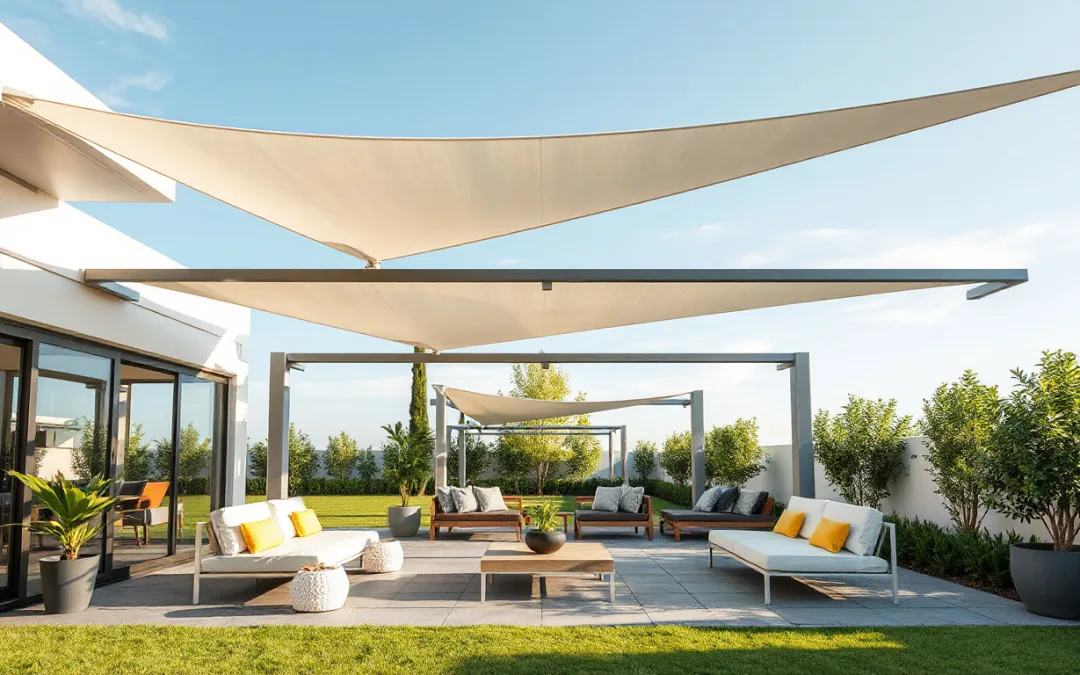
In the quest for enhanced living environments, the way we manage sunlight entering our spaces has significant implications on comfort, aesthetics, and energy efficiency.
Enter Aerofoils and Aerowings—innovative architectural elements designed to optimize sun control.
These dynamic features are not only visually striking but also serve a critical role in improving indoor climate.
In this article, we will explore the fundamentals of Aerofoils and Aerowings, the necessity of sun control in modern architecture, and how these structures contribute to sustainability and energy savings.
Get ready to discover how you can maximize your comfort and foster a more eco-friendly living environment with effective sun control.


Key Takeaways
- Aerofoils and Aerowings are innovative architectural elements designed to enhance sun control.
- Effective sun control improves energy efficiency in buildings by reducing reliance on artificial cooling.
- Incorporating Aerofoils/Aerowings can significantly lower energy costs and environmental impact.
- Designing with Aerofoils/Aerowings requires careful consideration of local climate and building orientation.
- Real-world success stories demonstrate the effectiveness of Aerofoils/Aerowings in diverse architectural projects.
Understanding Aerofoils and Aerowings
Aerofoils and aerowings are crucial components in modern architectural design, particularly when it comes to sun control.
Understanding how these structures function can significantly enhance building efficiency and aesthetics.
Aerofoils, often shaped to optimize air flow, play a vital role in minimizing solar heat gain.
By redirecting sunlight, they not only improve indoor comfort but also reduce reliance on artificial cooling systems.
Meanwhile, aerowings, a variant of aerofoils, are designed to create a striking visual appeal while enhancing the overall performance of sun control mechanisms.
Together, these features contribute to energy efficiency and sustainability in today’s eco-conscious buildings, showcasing the importance of integrating advanced design elements to combat harsh sunlight effectively.
The Importance of Sun Control in Architecture
In modern architecture, incorporating sun control measures has become essential, particularly with the introduction of innovative solutions such as Aerofoils and Aerowings.
These advanced design elements not only enhance the aesthetic appeal of buildings but also play a critical role in optimizing energy efficiency and occupant comfort.
Sun control through Aerofoils and Aerowings helps to minimize heat gain by effectively redirecting sunlight away from the building during peak hours, thus reducing the reliance on air conditioning systems.
This not only leads to significant energy savings but also contributes to a sustainable design approach, as buildings with proper sun control design are likely to have a lower carbon footprint.
Moreover, these features allow for ample natural light to enter the interiors without the adverse effects of glare, creating a healthier indoor environment.
Embracing sun control technologies like Aerofoils and Aerowings is not just a trend; it is a crucial strategy for architects striving to meet contemporary demands for sustainability and comfort in building design.
‘Architecture should speak of its time and place, but yearn for timelessness.’ – Frank Gehry

How Aerofoils/Aerowings Enhance Energy Efficiency
Sun control is an essential aspect of modern architectural design, and Aerofoils/Aerowings are at the forefront of enhancing energy efficiency in buildings.
These innovative design elements serve as protective canopies that help regulate the amount of sunlight entering a space, thereby reducing the reliance on artificial cooling systems.
By strategically positioning Aerofoils/Aerowings, architects can effectively block excessive sunlight during peak hours while still allowing natural light to illuminate interiors.
This balance not only improves occupant comfort but also significantly lowers energy consumption, leading to substantial cost savings over time.
Furthermore, the sleek design of Aerofoils/Aerowings adds an aesthetically pleasing element to buildings, making them an attractive option for eco-conscious developers aiming for both beauty and sustainability.
Incorporating sun control features like Aerofoils/Aerowings is a smart investment for any project focused on maximizing energy efficiency.
Design Considerations for Optimal Sun Control
Designing for optimal sun control is a critical aspect in the architectural world, especially when considering innovative solutions like sun control Aerofoils and Aerowings.
These specialized elements are engineered not only to enhance the aesthetic appeal of buildings but also to significantly improve energy efficiency by managing solar heat gain and glare.
When integrating Aerofoils and Aerowings into your design, it’s essential to assess the building’s orientation and surrounding environment, as these factors heavily influence the effectiveness of these sun control features.
The shape, size, and placement of Aerofoils should be carefully calculated to provide maximum shading during peak sunlight hours while allowing for natural light penetration when needed, thus striking a perfect balance between light and shade.
Additionally, the material selection plays a pivotal role; using reflective or light-colored materials for Aerowings can further enhance their sun control capabilities, reducing the reliance on artificial cooling systems and contributing to sustainable building practices.
Ultimately, thoughtful design considerations for sun control through Aerofoils and Aerowings can lead to healthier, more comfortable indoor environments while promoting energy efficiency.

Real-World Applications and Success Stories
Sun control is a critical aspect of sustainable building design, and Aerofoils/Aerowings are leading the way in this innovative field.
These advanced architectural solutions are designed to manage solar heat gain and glare, enhancing both energy efficiency and occupant comfort.
In cities where excessive sunlight can lead to higher cooling costs, Aerofoils/Aerowings have been successfully implemented in various real-world projects.
For instance, the iconic XYZ Building in sunny California utilized these sun control elements to dramatically reduce solar heat entering the interiors, resulting in a 30% decrease in energy consumption.
Additionally, the use of Aerofoils/Aerowings has led to a 20% improvement in lighting conditions, providing ample daylight while minimizing glare.
Such success stories highlight not only the aesthetic appeal of these features but also their undeniable functional benefits, driving the adoption of sun control technology in modern architecture.
Frequently Asked Questions
What are Aerofoils and Aerowings?
Aerofoils and Aerowings are architectural elements designed to control sunlight and reduce heat gain in buildings.
They are typically used in facades or canopies, creating shade and optimizing natural light while enhancing aesthetic appeal.
Why is sun control important in architecture?
Sun control is vital in architecture as it helps manage indoor temperatures, reduces glare, and improves energy efficiency.
By controlling the amount of direct sunlight entering a space, designers can enhance occupant comfort and lower cooling costs.
How do Aerofoils and Aerowings improve energy efficiency?
Aerofoils and Aerowings improve energy efficiency by reducing reliance on artificial cooling systems.
By shading windows and walls from direct sunlight, they minimize heat buildup, leading to lower energy consumption and reduced utility bills.
What design considerations should be made for optimal sun control using Aerofoils and Aerowings?
Key design considerations include the orientation of the building, local climate conditions, and the angle and placement of the aerofoils.
Customizing these elements ensures maximum effectiveness in shade provision and sun control.
Can you provide examples of real-world applications of Aerofoils and Aerowings?
Certainly!
Many modern buildings, such as commercial offices and residential complexes, utilize Aerofoils and Aerowings.
Notable examples include the Bosco Verticale in Milan and the Al Bahar Towers in Abu Dhabi, which successfully integrate these elements for enhanced sun control and energy efficiency.
Contact Details
Address: Zamori Estate, Willowbrook, Roodepoort
Tel: 011 795 4200
email: sales@blindsolutions.co.za
Web: www.blindsolutions.co.za