


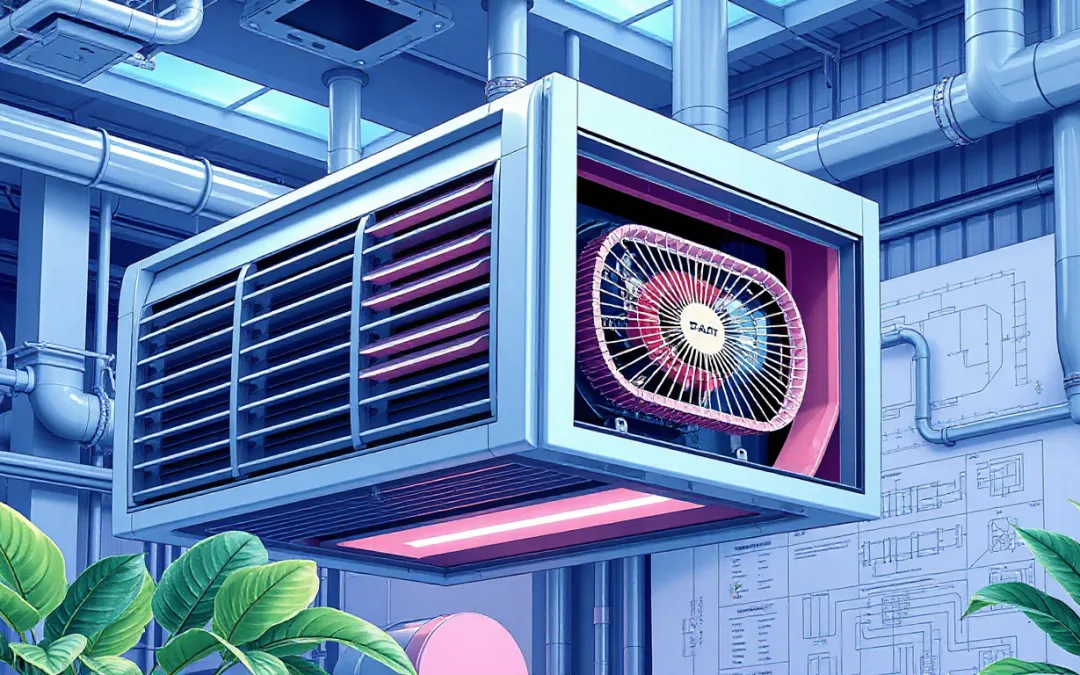
In the world of HVAC (Heating, Ventilation, and Air Conditioning) systems, the importance of effective ventilation cannot be overstated.
Proper ventilation plays a crucial role in maintaining indoor air quality, regulating temperature, and enhancing the overall efficiency of HVAC systems.
A key element in achieving effective ventilation is the use of plant room louvres, which facilitate air movement while optimizing system performance.
In this comprehensive guide, we will delve into the significance of ventilation in HVAC, explore various types of plant room louvres and their specific functions, discuss essential design considerations for maximizing efficiency, provide maintenance tips to ensure optimal performance, and highlight innovative technologies that can further enhance HVAC efficiency.


Key Takeaways
- Proper ventilation is crucial for maintaining HVAC system efficiency and indoor air quality.
- Different types of plant room louvres serve unique functions in enhancing ventilation effectiveness.
- Design considerations such as placement and size of louvres significantly impact overall ventilation performance.
- Regular maintenance is essential to ensure plant room louvres operate efficiently over time.
- Adopting innovative technologies can further improve HVAC efficiency and reduce energy consumption.
Understanding the Importance of Ventilation in HVAC Systems
In the realm of HVAC systems, understanding ventilation is crucial for maintaining optimal indoor air quality and energy efficiency.
Ventilation refers to the process of exchanging indoor air with outdoor air, which plays a vital role in removing contaminants, regulating temperature, and ensuring a comfortable environment for occupants.
One of the key components that facilitate this process in commercial and industrial settings is ventilation through plant room louvres.
These specially designed openings allow for the controlled flow of air, ensuring that plant rooms remain well-ventilated while protecting sensitive equipment from the elements.
By incorporating effective louvre systems, building managers can enhance the overall efficiency of their HVAC installations, minimize energy consumption, and prolong the lifespan of their systems.
Thus, understanding the importance of ventilation and utilizing plant room louvres is essential for achieving a well-balanced, healthy, and efficient indoor climate.
Types of Plant Room Louvres and Their Functions
When it comes to enhancing ventilation in industrial and commercial settings, understanding the types of plant room louvres and their functions is essential.
Plant room louvres are designed to facilitate air movement, ensuring that equipment remains cool and operational efficiency is maintained.
There are several types of louvres available, including fixed, adjustable, rain-resistant, and acoustic louvres.
Fixed louvres provide a constant airflow and are ideal for non-critical applications where moisture control is not a major concern.
Adjustable louvres, on the other hand, offer flexibility by allowing users to regulate airflow based on environmental conditions or specific system needs.
Rain-resistant louvres are specially designed to prevent water ingress, making them perfect for outdoor installations where exposure to the elements is unavoidable.
Lastly, acoustic louvres are engineered to minimize noise transmission, which is especially beneficial in urban areas or other sound-sensitive locations.
By selecting the appropriate type of plant room louvres, facility managers can significantly improve ventilation, thereby enhancing the overall performance and longevity of their equipment.
‘The best way to predict the future is to invent it.’ – Alan Kay

Designing for Efficiency: Key Considerations for Ventilation
When it comes to designing a plant room, one of the most critical yet often overlooked aspects is ventilation.
Effective ventilation is paramount for maintaining optimal operating conditions, enhancing equipment performance, and ensuring safety within the space.
Plant room louvres play an essential role in this process, acting as the primary entry or exit points for air circulation.
When considering the design of a plant room, several key factors should be at the forefront.
First, it is important to determine the appropriate size and positioning of the louvres to maximize airflow while preventing the ingress of contaminants.
Moreover, incorporating adjustable louvres can provide flexibility in controlling air intake depending on environmental conditions.
Finally, integration of energy-efficient ventilation systems, such as those with variable speed drives, can optimize energy use while effectively managing temperatures within the plant room.
By prioritizing these considerations, designers can create a ventilation strategy that not only supports operational efficiency but also contributes to the longevity of plant equipment.
Maintenance Tips for Optimal Performance of Plant Room Louvres
To ensure optimal performance and longevity of your ventilation systems, particularly when it comes to plant room louvres, regular maintenance is essential.
Plant room louvres play a critical role in providing adequate airflow, regulating temperature, and protecting equipment from environmental factors.
Here are some effective maintenance tips for your plant room louvres.
First, routinely inspect the louvres for any debris, dirt, or obstructions that could impede airflow; clean them with a gentle wash to avoid damage.
Next, check the seals and gaskets for wear or deterioration, as effective sealing is crucial for maximizing ventilation efficiency.
Additionally, ensure that the louvre mechanism, whether manually or automatically operated, is functioning smoothly and lubricated as necessary to prevent operational issues.
Finally, schedule regular professional assessments of your ventilation system to identify potential problems early, ensuring your plant room louvres maintain optimal performance throughout the year.
By following these maintenance steps, you can extend the lifespan of your louvres and ensure that your ventilation system operates at peak efficiency, thereby safeguarding your equipment and enhancing overall plant room functionality.

Innovative Technologies to Boost HVAC Efficiency
In the quest for achieving optimal HVAC efficiency, innovative technologies are continuously transforming how we approach ventilation systems.
One such advancement lies in the use of ventilation/plant room louvres.
These devices play a crucial role in enhancing airflow management within plant rooms—integral spaces that house mechanical equipment essential for heating, ventilation, and air conditioning systems.
By strategically positioning and utilizing louvres, facilities can improve natural ventilation, effectively reducing energy consumption and costs.
Additionally, modern louvres come equipped with automated control systems that adjust to changing environmental conditions, ensuring that energy efficiency is maximized while maintaining indoor air quality.
Embracing these innovative solutions not only leads to significant operational savings but also contributes to a more sustainable future in building management.
Frequently Asked Questions
What is the role of ventilation in HVAC systems?
Ventilation in HVAC systems is crucial as it helps to maintain indoor air quality by bringing in fresh outdoor air, removing stale air, and controlling temperature and humidity levels.
Efficient ventilation ensures comfort, health, and energy savings in building operations.
What types of plant room louvres are available and what are their functions?
There are various types of plant room louvres including fixed louvres, adjustable louvres, and insulated louvres.
Fixed louvres are designed for ventilation without adjustment, while adjustable louvres can be operated to control airflow.
Insulated louvres help reduce heat loss, enhancing energy efficiency in HVAC systems.
What key considerations should be taken into account when designing ventilation systems?
When designing ventilation systems, it’s important to consider factors such as the size and layout of the space, the specific ventilation requirements, airflow rates, local climate conditions, and compliance with building codes and standards to ensure both efficiency and effectiveness.
How can I maintain plant room louvres for optimal performance?
To maintain plant room louvres, regularly inspect and clean them to remove dirt and debris, check for any signs of wear or damage, ensure that moving parts are lubricated, and verify that they are functioning as intended.
Scheduling periodic maintenance can prevent larger issues and ensure longevity.
What innovative technologies are being utilized to enhance HVAC efficiency?
Innovative technologies such as variable speed drives, advanced filtration systems, smart sensors, and energy recovery ventilators are being used to enhance HVAC efficiency.
These technologies help optimize airflow and energy consumption, leading to improved overall performance in HVAC systems.
Contact Details
Address: Zamori Estate, Willowbrook, Roodepoort
Tel: 011 795 4200
email: sales@blindsolutions.co.za
Web: www.blindsolutions.co.za