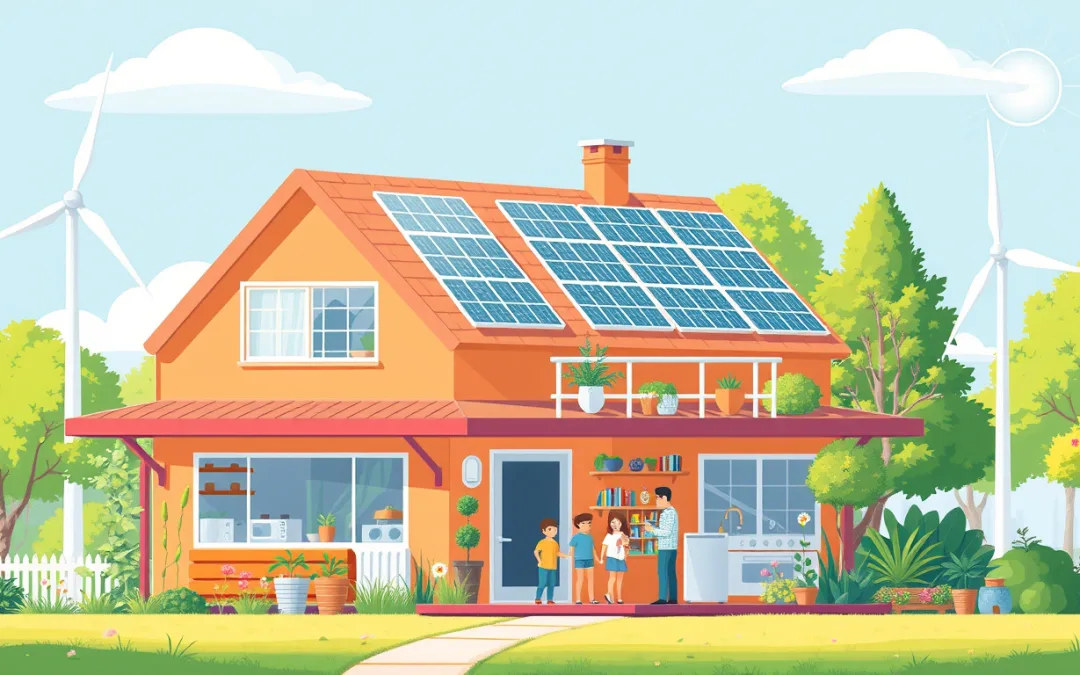
In today’s world, where rising energy costs and environmental concerns dominate discussions, energy efficiency has emerged as a vital concept for both households and businesses.
Understanding energy efficiency—not just its definitions but also its significance—can lead to notable savings and a reduced carbon footprint.
Whether you’re looking to cut costs at home, improve your commercial space, or simply make informed choices about resource consumption, this article will delve into the various facets of energy efficiency.
We will explore its financial benefits, practical techniques for enhancement in both residential and commercial settings, the impact of technology, and the role of government policies in facilitating these improvements.
By the end, you’ll not only grasp the essence of energy efficiency but also uncover practical ways to implement it in your daily life.
Blind Solutions Consultancy Packages Available
Energy Efficiency: Save Money and Conserve Resources’ style=’display: block; margin: auto; max-width: 100%; height: auto;’>
Key Takeaways
- Energy efficiency reduces costs and conserves valuable resources.
- Implementing energy-efficient practices can lead to significant savings on utility bills.
- Homeowners can adopt various techniques like insulation and smart thermostats to improve energy efficiency.
- Commercial buildings can leverage best practices to optimize their energy use and sustainability.
- Government incentives make it easier for individuals and businesses to invest in energy-efficient technologies.
Understanding Energy Efficiency: Definitions and Importance
Energy efficiency refers to the use of less energy to perform the same task or provide the same service, minimizing waste while maximizing productivity.
This concept encompasses a wide range of applications, from household appliances that consume less electricity to industrial processes that optimize energy use.
The importance of energy efficiency cannot be overstated; it plays a crucial role in reducing energy costs, lowering greenhouse gas emissions, and conserving natural resources.
By implementing energy-efficient practices and technologies, both individuals and businesses can significantly decrease their energy consumption, lead to a healthier environment, and benefit from economic savings.
As the global focus shifts towards sustainability, understanding energy efficiency is vital for anyone looking to make informed decisions that impact their energy use and align with best practices in environmental stewardship.
The Financial Benefits of Energy Efficiency
Energy efficiency is not just an environmental concern; it has significant financial benefits that can positively impact both households and businesses.
By investing in energy-efficient appliances, lighting, and insulation, consumers can drastically reduce their utility bills.
For instance, using Energy Star-rated appliances can lower energy consumption by 10-50%, translating into substantial savings over time.
Additionally, businesses that adopt energy-efficient practices often qualify for tax incentives and rebates, further enhancing their return on investment.
Moreover, with the ongoing rise in energy costs, energy efficiency serves as a long-term strategy to control expenses, ensuring a more sustainable and economically viable future.
‘Energy efficiency is not just about technology, it’s about how we create a sustainable future for generations to come.’ – Anonymous
Blind Solutions Consultancy Packages Available
Energy Efficiency at Home’ style=’display: block; margin: auto; max-width: 100%; height: auto;’>
Common Techniques to Improve Energy Efficiency at Home
Improving energy efficiency at home is essential not only for reducing utility bills but also for minimizing your carbon footprint.
One of the most common techniques to enhance energy efficiency is through proper insulation.
Ensuring that your home is well-insulated helps maintain temperature, reducing the need for heating and cooling systems to work overtime.
Another effective method is upgrading to energy-efficient appliances, which consume significantly less electricity than their traditional counterparts.
Installing programmable thermostats can also contribute to energy efficiency by allowing homeowners to set specific heating and cooling schedules based on their daily routines.
Additionally, switching to LED lighting instead of incandescent bulbs can save a substantial amount of energy, as LEDs use at least 75% less energy and last 25 times longer.
Finally, simple behavioral changes, such as unplugging devices when not in use and using natural light during the day, can significantly boost your home’s energy efficiency.
By implementing these techniques, you can create a more energy-efficient home that benefits both your finances and the environment.
Energy Efficiency in Commercial Buildings: Best Practices
In today’s fast-paced business environment, energy efficiency has emerged as a crucial aspect of managing commercial buildings effectively.
Implementing best practices for energy efficiency not only reduces operational costs but also demonstrates a commitment to sustainability and environmental stewardship.
One of the primary strategies is to invest in energy-efficient HVAC systems, which can significantly lower energy consumption by precisely controlling indoor climates.
Additionally, integrating smart building technologies, such as occupancy sensors and smart thermostats, can optimize energy use based on real-time data.
LED lighting is another effective measure, offering long-lasting performance and drastically cutting energy costs compared to traditional lighting options.
Routine energy audits should also be conducted to identify areas for improvement and ensure that energy-saving measures are effectively implemented.
By prioritizing these best practices, businesses can enhance their energy efficiency, contributing to lower utility bills and a reduced carbon footprint.
Energy Efficiency‘ style=’display: block; margin: auto; max-width: 100%; height: auto;’>
The Role of Technology in Enhancing Energy Efficiency
In today’s rapidly evolving world, the role of technology in enhancing energy efficiency has never been more critical.
As global energy demands continue to soar, innovative technological advancements are paving the way for more sustainable energy consumption.
From smart home systems that optimize electricity use by automatically adjusting lighting and heating based on occupancy, to advanced industrial machinery that minimizes energy waste during production processes, technology plays a pivotal role in driving energy efficiency.
Additionally, renewable energy sources such as solar panels and wind turbines are becoming more efficient thanks to improvements in technology, helping to reduce reliance on fossil fuels and lower carbon footprints.
By integrating energy management systems and utilizing data analytics, both businesses and homeowners can identify areas for improvement and implement effective strategies to reduce overall energy consumption.
Ultimately, as we harness the power of technology, we take significant strides toward achieving higher energy efficiency and a more sustainable future.
Government Policies and Incentives for Promoting Energy Efficiency
Governments around the world play a crucial role in promoting energy efficiency through a multitude of policies and incentives designed to reduce energy consumption and lower greenhouse gas emissions.
By implementing energy efficiency standards, subsidies, and tax credits, authorities encourage both businesses and homeowners to adopt energy-saving technologies and practices.
For instance, the implementation of strict energy codes in building construction ensures that new structures are equipped with efficient heating, cooling, and insulation systems, significantly reducing energy requirements.
Additionally, financial incentives such as rebates on energy-efficient appliances and grants for upgrading insulation or heating systems make it more affordable for consumers to improve their energy efficiency.
Ultimately, these government initiatives not only help to protect the environment but also contribute to economic savings for households and businesses alike, driving the adoption of sustainable practices across various sectors.
Frequently Asked Questions
What is energy efficiency and why is it important?
Energy efficiency refers to using less energy to accomplish the same tasks or produce the same results.
It is important because it helps reduce energy costs, lowers greenhouse gas emissions, and conserves natural resources, leading to a more sustainable environment.
How can I improve energy efficiency in my home?
You can improve energy efficiency at home by implementing common techniques such as using energy-efficient appliances, sealing windows and doors, improving insulation, using programmable thermostats, and adopting renewable energy sources like solar panels.
What financial benefits can I expect from enhancing energy efficiency?
Enhancing energy efficiency can lead to significant financial savings on utility bills, potential tax credits or rebates from government programs, and increased property value.
Over time, the initial investment in energy-efficient upgrades typically pays for itself through these savings.
What are some best practices for energy efficiency in commercial buildings?
Best practices for energy efficiency in commercial buildings include regular energy audits, upgrading to energy-efficient lighting and HVAC systems, automating lighting controls, and encouraging employee awareness programs focused on energy conservation.
What role do government policies play in promoting energy efficiency?
Government policies promote energy efficiency through various incentives, such as tax credits, rebates, grants, and regulations that require or encourage energy-efficient practices in residential and commercial sectors.
These measures aim to encourage individuals and businesses to adopt energy-efficient technologies and reduces overall energy consumption.
Web :https://blindsolutions.co.za
Tel: +27 11 795-4200
Email: sales@blindsolutions.co.za
Whatsapp: +27 82 778 4372