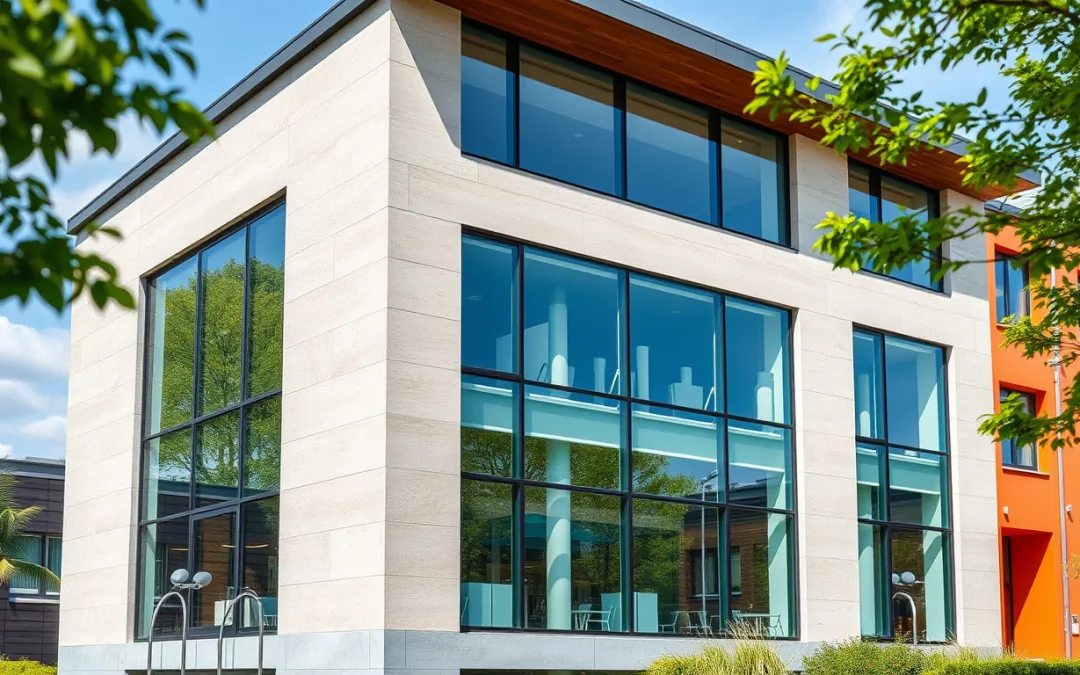
In the quest for sustainable and energy-efficient architecture, the concept of the ‘building envelope‘ has garnered significant attention.

This critical component of any structure serves as the barrier between the indoor environment and the external elements, affecting everything from energy consumption to comfort levels and overall durability.

As we delve into the intricacies of the building envelope, we’ll explore essential strategies for enhancing energy efficiency, innovative materials, and sustainable practices that set the foundation for a resilient future in construction.

Blind Solutions Consultancy Packages Available

Blind SolutionsBuilding Envelope: Key Strategies for Energy Efficiency and Durability’ style=’display: block; margin: auto; max-width: 100%; height: auto;’>

Key Takeaways

  • Understanding the building envelope is crucial for ensuring energy efficiency and durability.
  • Key strategies such as proper sealing and ventilation can significantly enhance energy efficiency.
  • Innovative materials play a vital role in creating a durable and effective building envelope.
  • Insulation is essential not only for energy efficiency but also for enhancing occupant comfort.
  • Embracing sustainable practices in building envelope design is key to future-proofing structures.

Understanding the Building Envelope: Components and Importance

The building envelope serves as the critical boundary between a structure’s interior and exterior environments, fundamentally influencing energy efficiency, comfort, and durability.

Comprised of various components such as the roof, walls, windows, doors, and foundation, the building envelope plays a vital role in regulating temperature, controlling moisture, and reducing noise.

Properly designed and installed, it ensures that the building performs optimally under different weather conditions while significantly minimizing energy consumption.

Additionally, understanding the materials and systems used within the building envelope can enhance aesthetic appeal, increase property value, and ensure compliance with local building codes.

As such, both architects and builders must prioritize the building envelope in their designs to create sustainable and resilient structures.

Key Strategies for Enhancing Energy Efficiency

Enhancing energy efficiency in a building starts with optimizing its building envelope, which plays a crucial role in regulating indoor climate and reducing energy consumption.

The building envelope encompasses all elements that separate the interior from the exterior, including walls, roofs, windows, and doors.

To improve energy efficiency, it is essential to invest in high-quality insulation that minimizes heat transfer, optimize window placement and size to maximize natural light while reducing heat gain or loss, and use air-tight construction techniques to eliminate drafts.

Additionally, incorporating renewable energy sources, such as solar panels on the roof, can significantly complement the energy-saving benefits of an efficient building envelope.

By prioritizing these strategies, property owners can not only reduce their energy costs but also create a more sustainable and comfortable living environment.

‘Buildings should not be viewed as a collection of components but as a cohesive system where the building envelope plays a critical role in energy efficiency and durability.’ – Unknown

Blind Solutions Consultancy Packages Available

Blind SolutionsBuilding Envelope‘ style=’display: block; margin: auto; max-width: 100%; height: auto;’>

Materials and Innovations for a Durable Building Envelope

The concept of the building envelope is crucial in modern architecture and construction, encompassing all the components that separate the interior of a building from the external environment.

To achieve a durable building envelope, architects and builders are turning towards innovative materials and technologies.

Modern advancements, such as insulated concrete forms (ICFs), structural insulated panels (SIPs), and high-performance glazing systems, are revolutionizing how we think about energy efficiency and structural integrity.

For instance, ICFs provide superior insulation properties, which can significantly reduce heating and cooling costs, while SIPs offer a robust and lightweight alternative to traditional framing methods.

Additionally, the integration of smart technology into building envelopes allows for real-time monitoring of performance, ensuring optimal energy conservation and moisture control.

By focusing on these advanced materials and innovations, the building industry can enhance the longevity of the structure while reducing its environmental footprint, ultimately leading to more sustainable building practices.

The Role of Insulation in Energy Efficiency and Comfort

The building envelope plays a crucial role in determining the energy efficiency and overall comfort of a structure.

It comprises the walls, roof, windows, and doors that separate the interior environment from the exterior elements.

Proper insulation within the building envelope is essential, as it helps to regulate indoor temperatures, reduces energy consumption, and minimizes utility costs.

When insulation materials are strategically installed in the building envelope, they create a thermal barrier that lessens heat transfer, ensuring that spaces remain warm in winter and cool in summer.

This not only enhances comfort but also contributes to a more sustainable living environment by decreasing reliance on heating and cooling systems.

Additionally, a well-insulated building envelope can improve indoor air quality by preventing drafts and moisture buildup, thus fostering a healthier atmosphere for occupants.

By investing in effective insulation as part of the building envelope, homeowners and builders can achieve significant energy savings while promoting personal comfort and well-being.

Blind SolutionsBuilding Envelope Design’ style=’display: block; margin: auto; max-width: 100%; height: auto;’>

Sustainable Practices for Building Envelope Design

Building envelope design is critical to achieving energy efficiency and sustainability in architecture.

By focusing on the building envelope, which includes the roof, walls, windows, and floors, architects and builders can significantly influence the overall energy consumption of a structure.

Sustainable practices, such as using high-performance insulation materials, strategically placing windows for natural lighting, and selecting eco-friendly building materials, play a vital role in reducing energy loss.

Moreover, incorporating passive solar design principles can help optimize solar gain during winter months while minimizing heat during summer, leading to a more comfortable indoor environment.

Implementing these sustainable practices not only contributes to lower operational costs but also promotes environmental responsibility, making them essential in modern building projects.

Future Trends in Building Envelope Technology and Performance

As we look ahead in the field of architecture and construction, the focus on the building envelope has never been more crucial.

The building envelope, which serves as the barrier between the indoor and outdoor environments, is set to evolve in response to increasing demands for energy efficiency, sustainability, and resilience.

One of the most significant future trends in building envelope technology is the integration of smart materials that can adapt to environmental conditions, enhancing thermal performance and reducing energy consumption.

Moreover, the use of advanced insulation materials, such as aerogels and phase-change materials, promises to optimize energy retention, resulting in lower utility bills and a reduced carbon footprint.

Additionally, the rise of prefabrication techniques is transforming how building envelopes are constructed, allowing for improved quality control, faster assembly times, and reduced construction waste.

As smart buildings gain popularity, we can also expect to see more dynamic façade systems that incorporate sensors and automated controls, further optimizing performance.

In summary, the future of building envelopes is poised for innovation, driven by the need for sustainable solutions that enhance both functionality and aesthetics.

Frequently Asked Questions

What is a building envelope and why is it important?

The building envelope refers to the physical barrier between the interior and exterior environments of a building, including walls, roofs, windows, and doors.

It is crucial for maintaining energy efficiency, ensuring comfort, and protecting against natural elements.

What are some key strategies for enhancing energy efficiency in a building envelope?

Key strategies include improving insulation, utilizing high-performance windows, sealing air leaks, and incorporating reflective materials that reduce heat absorption.

These measures help to minimize energy consumption and improve overall comfort.

What materials are recommended for a durable building envelope?

Durable building envelope materials include advanced insulation products, durable cladding options like fiber cement or brick, and weather-resistant membranes.

Innovations such as smart materials that adapt to environmental conditions are also emerging.

How does insulation contribute to energy efficiency and comfort?

Insulation plays a vital role by slowing down heat transfer, maintaining indoor temperatures, and reducing energy costs.

Proper insulation helps create a more comfortable living environment by keeping heat in during winter and out during summer.

What future trends are emerging in building envelope technology?

Future trends include the use of smart building technologies for real-time monitoring and control of energy use, the integration of renewable energy sources, and the adoption of sustainable materials that advance building performance and environmental stewardship.

Web :https://blindsolutions.co.za
Tel: +27 11 795-4200
Email: sales@blindsolutions.co.za
Whatsapp: +27 82 778 4372


Blind Solutions Blind Solutions