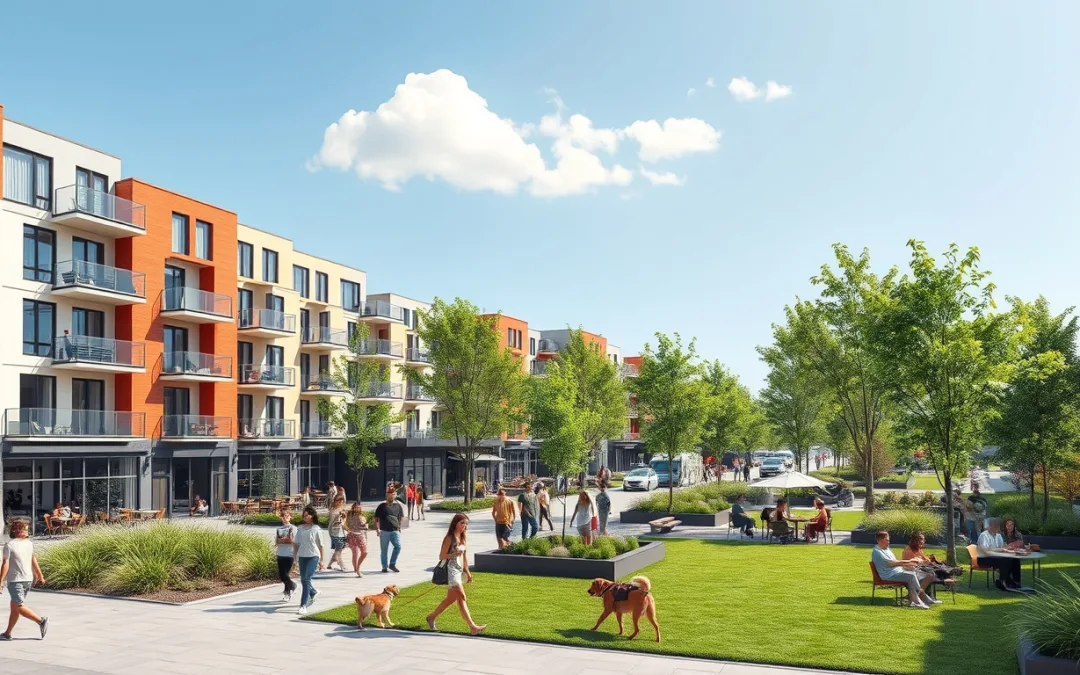
In the ever-evolving landscape of urban planning, mixed-use developments have emerged as a prominent solution for enhancing the quality of urban living.

By integrating residential, commercial, and recreational spaces into a single project, these developments promise not only convenience for residents but also vibrant, thriving communities.

This comprehensive guide delves into the definition and characteristics of mixed-use developments, explores their historical context, unveils the myriad benefits they offer to residents and cities alike, discusses their economic advantages, and examines their sustainability impact.

Whether you are a city planner, a prospective homebuyer, or simply someone interested in modern urban living, this article will provide valuable insights and real-life examples of successful mixed-use developments from around the globe.

Blind Solutions Consultancy Packages Available

Exploring the Benefits of <b>Mixed-Use Developments</b>: A Comprehensive Guide to Modern Urban Living’ style=’display: block; margin: auto; max-width: 100%; height: auto;’></p><h2>Key Takeaways</h2><ul><li><b>Mixed-use developments</b> combine residential, commercial, and recreational spaces to create vibrant communities.</li><li>Historically, urban living has evolved to incorporate mixed-use spaces, adapting to changing societal needs.</li><li>Residents enjoy the convenience of nearby amenities and a stronger sense of community in <b>mixed-use developments</b>.</li><li>Cities benefit economically from mixed-use projects through increased tax revenues and job creation.</li><li>Sustainability is enhanced in <b>mixed-use developments</b>, promoting environmentally friendly urban living.</li></ul><h3>Definition and Characteristics of <b>Mixed-Use Developments</b></h3><p><b>Mixed-use developments</b> refer to urban planning and design strategies that incorporate multiple types of land uses within a single building or site.</p><p>This innovative approach typically combines residential, commercial, cultural, and recreational spaces to create vibrant community environments.</p><p>One of the key characteristics of <b>mixed-use developments</b> is their ability to foster walkability, as residents can access various amenities, such as shops, restaurants, and parks, without the need for a car.</p><p>Additionally, these developments promote a sense of community by bringing different demographics together, encouraging social interactions and economic activities in close proximity.</p><p>The integration of diverse functions within <b>mixed-use developments</b> helps to enhance the urban experience, reduce sprawl, and promote sustainable living by maximizing land use efficiency.</p><h3>Historical Context and Evolution of Urban Living</h3><p>The historical context and evolution of urban living reveal a fascinating shift in how communities have been structured over time, particularly with the rise of <b>mixed-use developments</b>.</p><p>These developments, which blend residential, commercial, and recreational spaces within a single setting, have roots that can be traced back to ancient cities where proximity greatly impacted daily life.</p><p>As societies evolved through the Renaissance, the Industrial Revolution, and into the modern age, the concept of <b>mixed-use developments</b> adapted to meet the changing needs of populations.</p><p>Today, urban planners and architects recognize the significance of these multifunctional spaces in fostering community interaction, reducing dependency on automobiles, and enhancing the overall quality of urban life.</p><p>By integrating living, working, and leisure areas, <b>mixed-use developments</b> not only contribute to vibrant neighborhoods but also revive economic activity, linking local businesses with residents in a seamless manner.</p><blockquote><p>‘The city is not a concrete jungle, it is a human zoo.’ – Desmond Morris</p></blockquote><p><a href=Blind Solutions Consultancy Packages Available

Benefits for Residents: Convenience and Community

Benefits for Residents: Convenience and Community

Mixed-use developments have revolutionized urban living by offering a unique blend of residential, commercial, and recreational spaces in one integrated environment.

Residents experience numerous benefits, including unmatched convenience; having shops, restaurants, and essential services within walking distance greatly reduces the need for long commutes.

This accessibility fosters a vibrant community atmosphere where neighbors are more likely to interact, creating opportunities for social engagement and collaboration.

Moreover, the thoughtful design of mixed-use developments often includes parks, communal areas, and wellness facilities, promoting a healthier lifestyle.

By prioritizing a cohesive living experience, these developments not only enhance the quality of life for residents but also contribute to the sustainability and dynamism of urban areas.

Economic Advantages for Cities and Businesses

Mixed-use developments are transforming urban landscapes and providing significant economic advantages for both cities and businesses.

By integrating residential, commercial, and recreational spaces, these developments enhance property values and attract diverse populations.

For cities, mixed-use developments stimulate local economies by increasing foot traffic, which benefits nearby restaurants, shops, and services.

Additionally, they promote sustainable living through reduced reliance on vehicles, leading to lower infrastructure costs for municipalities.

For businesses, being part of a mixed-use development means increased visibility and accessibility, fostering a community-oriented environment that encourages customer loyalty.

This blend of living and working spaces not only enhances the quality of life for residents but also creates a vibrant atmosphere that drives economic growth.

Therefore, investing in mixed-use developments is not just a trend; it is a smart strategic move for urban planners and business owners aiming to secure a thriving future.