In the realm of architecture and design, precision is paramount.
Among the many facets of creating detailed construction documents, blind specifications play a crucial role in ensuring clarity and consistency.
But what exactly are blind specifications, and why should architects and designers care about them?
This comprehensive guide will delve into the intricacies of blind specifications, exploring their importance in the architectural process, various types that exist, and best practices for effectively implementing them in your design projects.
Whether you are an experienced professional looking to refine your skills or a newcomer eager to understand the nuances of this vital topic, this article will equip you with the knowledge needed to enhance your architectural documentation.
Blind Solutions Consultancy Packages Available
 Blind Solutions Consultancy Packages Available
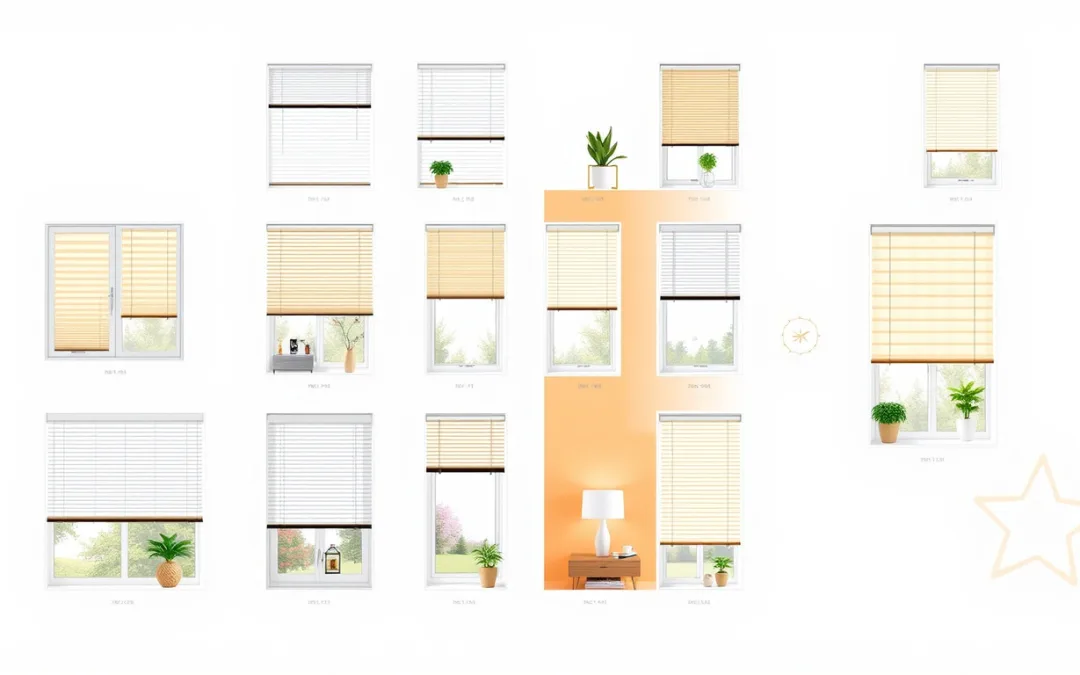
 blinds, which are ideal for larger window areas or sliding glass doors, and come in different materials such as fabric, vinyl, and aluminum.
Then there are roller blinds, known for their simplicity and versatility, available in an array of patterns and colors, perfect for both modern and traditional interiors.
Roman blinds, on the other hand, add a touch of elegance with their soft folds when raised, commonly made from fabric that can help with insulation and light control.
Finally, pleated shades provide a stylish option with their honeycomb structure, which offers improved energy efficiency due to air pockets that trap heat or cool air.
Understanding these various blind specifications allows homeowners and designers alike to make informed decisions that align with their functional needs and decorative vision.
How to Create Effective Blind Specifications
Creating effective blind specifications is a critical process in ensuring that the desired window treatments meet both aesthetic and functional needs.
Blind specifications are detailed descriptions that guide manufacturers about the materials, dimensions, and styles of blinds required for a project.
To get started, it’s essential to define your project requirements clearly.
Begin by assessing the functional needs, such as light control and privacy, and consider the aesthetic aspects like color and texture.
Next, make sure to include precise measurements for each window to avoid discrepancies during the installation phase.
It’s also important to specify the type of materials and mechanisms, whether you’re opting for faux wood, aluminum, or fabric blinds.
Additionally, consider integrating sustainable options to appeal to environmentally-conscious choices.
Finally, collaborating with a trusted supplier can ensure that the specifications are not only comprehensive but also feasible, making the ordering process seamless.
By following these guidelines, you can create effective blind specifications that not only fulfill your design vision but are also practical for everyday use.