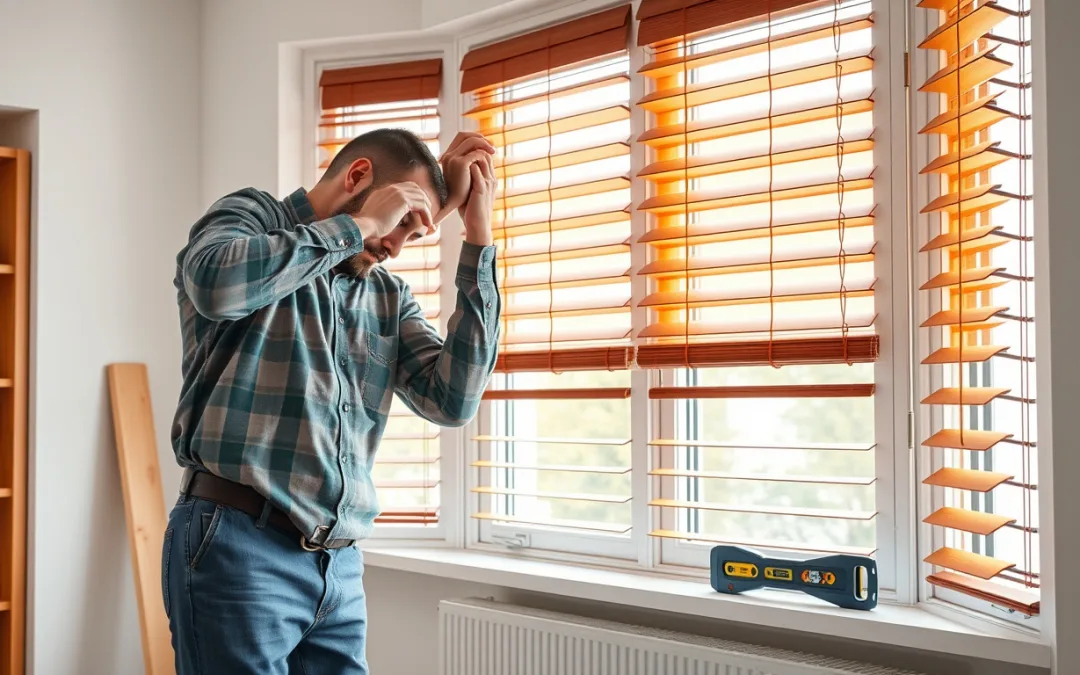
Are you ready to transform your space with new window treatments?
Mastering DIY blinds installation can be a rewarding project that enhances the aesthetics and functionality of your home.
In this comprehensive guide, we will explore essential DIY blinds installation tips that will help you achieve a flawless finish, whether you’re a seasoned DIYer or a first-time installer.
From understanding the different types of blinds available to gathering the right tools and ensuring precise measurements, we’ve got you covered every step of the way.
Let’s dive in!

Key Takeaways
- Familiarize yourself with various blind types to choose the best option for your space.
- Collect all necessary tools and materials before starting the installation process.
- Accurate measurements are crucial; follow a detailed guide to measure your windows correctly.
- Be aware of common installation mistakes to avoid frustrating setbacks.
- Add final touches to ensure a polished and professional appearance for your DIY blinds.
Understanding Different Types of Blinds
When it comes to home décor, choosing the right window treatment can significantly enhance the aesthetic appeal of your space.
Among the various options available, blinds are a popular choice due to their versatility and functionality.
Understanding the different types of blinds is crucial before you embark on your DIY blinds installation journey.
From traditional vertical and horizontal blinds to contemporary roller and roman styles, each type offers unique benefits tailored to fit various needs and preferences.
For instance, vertical blinds are ideal for large windows and sliding doors, as they enable smooth operation and easy light control.
Meanwhile, roller blinds are sleek and minimalistic, perfect for modern designs.
To assist you in successfully putting up your new window coverings, here are some DIY blinds installation tips that will help ensure a seamless and professional finish.
Measure your windows accurately, choose the right hardware, and follow the manufacturer’s instructions carefully to achieve an impressive result that complements your living space.
Gathering the Right Tools and Materials
When embarking on a home improvement project, particularly one involving window treatments, gathering the right tools and materials is crucial.
For your DIY blinds installation project, begin by compiling a checklist that includes the necessary tools such as a measuring tape, a level, a drill, and a screwdriver.
Additionally, ensure you have all components of your chosen blinds on hand, including brackets, screws, and any installation instructions.
It’s also advisable to have extra tools, such as a utility knife for trimming, just in case.
By preparing thoroughly with these DIY blinds installation tips, you set the stage for a smooth and successful installation process, turning your living space into a more functional and stylish environment.
‘The only limit to our realization of tomorrow will be our doubts of today.’ – Franklin D. Roosevelt

Step-by-Step Guide to Measuring Your Windows
Measuring your windows accurately is a crucial first step in the process of DIY blinds installation, and it can make a significant difference in the final appearance and functionality of your window treatments.
To ensure you get the most precise measurements, start by gathering the necessary tools, such as a tape measure, a pencil, and a notepad for recording your dimensions.
Begin by measuring the width of your window opening at three key points: the top, middle, and bottom.
Be sure to note the smallest measurement for a snug fit.
Next, measure the height of the window from the top of the opening to the desired length of your blinds, accounting for any mounting hardware you plan to use.
Don’t forget to include additional inches if you’re opting for outside mount blinds to provide better light coverage.
Throughout this measuring process, remember to double-check your numbers.
Following these DIY blinds installation tips will not only enhance the accuracy of your measurements but also ensure your blinds are installed correctly, elevating the aesthetics and functionality of your space.
Common Mistakes to Avoid During Installation
When it comes to creating a stylish and functional home environment, installing DIY blinds can be an excellent choice.
However, there are several common mistakes to avoid during installation that can save you time, frustration, and additional expenses in the long run.
First, failing to measure your windows accurately is a frequent error that can lead to mismatched blinds.
Always use a reliable measuring tape and double-check your dimensions before purchasing your blinds.
Additionally, skipping the step of reading the manufacturer’s instructions can lead to improper installation, so it’s crucial to familiarize yourself with the specific guidelines that accompany your chosen product.
Another pitfall is neglecting to gather the right tools beforehand, which can interrupt the workflow and lead to hasty decisions.
Ensuring you have all necessary tools, such as a level, drill, and screwdriver, prepared in advance will lead to a smoother installation process.
Lastly, overlooking the importance of precise leveling can result in blinds that don’t hang evenly, detracting from your space’s aesthetic.
By keeping these DIY blinds installation tips in mind, you can achieve a professional look while enhancing both the functionality and beauty of your living spaces.

Final Touches for a Professional Look
When it comes to DIY blinds installation tips, adding the final touches is essential for achieving a professional look that enhances your space.
Start by ensuring the blinds are properly aligned and adjusted to fit snugly within the window frame.
Use a level to check for evenness, correcting any slants that may have occurred during installation.
It’s also crucial to re-evaluate the operation mechanism of your blinds; they should open and close easily without resistance.
Once everything is in place, consider adding decorative holdbacks or curtain tassels, which can elevate the appearance of the blinds and tie them in with your room’s décor.
Finally, clean up any dust or debris left from installation and inspect for any imperfections.
These simple yet effective DIY blinds installation tips will leave your windows looking polished and professionally finished, creating a welcoming atmosphere in your home.
Frequently Asked Questions
What are the different types of blinds I can install myself?
There are several types of blinds available for DIY installation, including Venetian blinds, roller blinds, vertical blinds, and Roman shades.
Each type has its own unique style and functionality, so choose one that best fits your decor and needs.
What tools and materials do I need for DIY blinds installation?
To install blinds yourself, you typically need a measuring tape, level, drill, screwdriver, pencil, and the blinds themselves, along with any mounting hardware that comes with them.
How do I properly measure my windows for blinds installation?
To measure your windows, use a measuring tape to determine the width and height of the window frame.
For inside mounts, measure the exact width and height, and for outside mounts, consider adding a few extra inches to ensure full coverage.
What are some common mistakes to avoid when installing blinds?
Some common mistakes include failing to measure accurately, not using a level, overlooking the manufacturer’s instructions, or neglecting to double-check the fit before drilling.
Taking your time and being thorough can help prevent these issues.
How can I ensure a professional look after installing my blinds?
To achieve a professional finish, double-check that your blinds are level and evenly spaced, touch up any visible hardware, and adjust the blinds for smooth operation.
Additionally, clean the blinds and surrounding area for a polished look.
Contact Details
Address: Zamori Estate, Willowbrook, Roodepoort
Tel: 011 795 4200
email: sales@blindsolutions.co.za
Web: www.blindsolutions.co.za