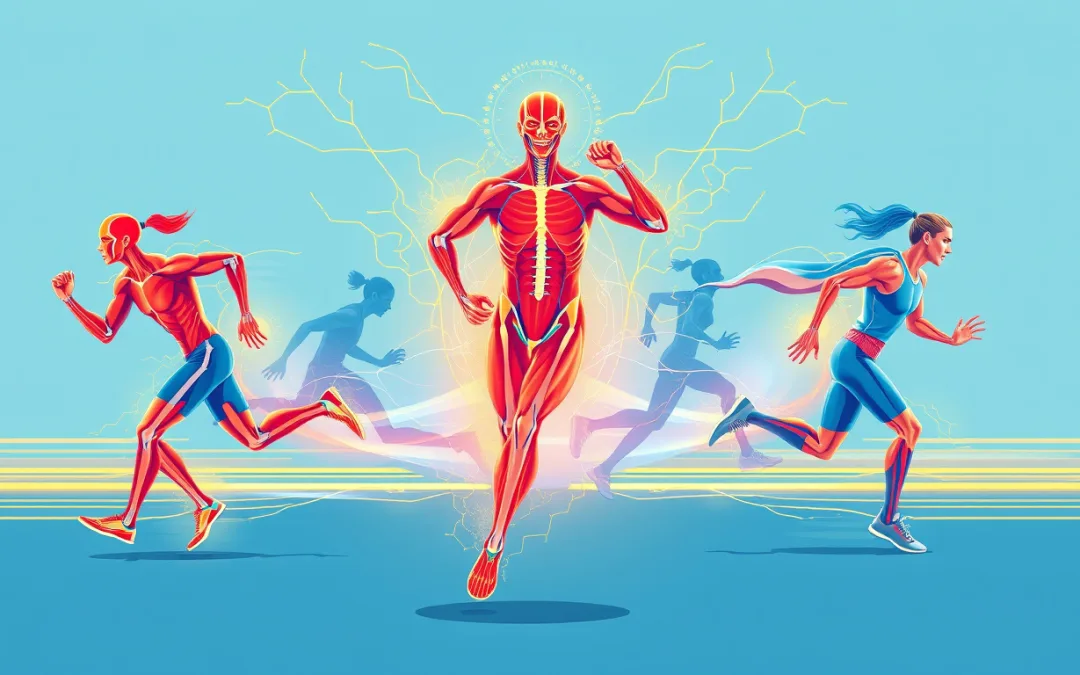
Motor systems play a crucial role in the fundamental movements of the human body, enabling everything from basic motor skills like walking and running to the complex sequences seen in competitive sports.

Understanding motor systems is essential for athletes, coaches, and anyone interested in enhancing physical performance or recovering from injury.

This article will delve into the intricacies of motor systems, examining their anatomy, functionality, and their profound influence on coordination and performance.

We will also explore how neurological disorders can affect motor systems, as well as future research directions and applications that could revolutionize our understanding of movement.

Join us on this journey to discover the power of motor systems and how they shape our ability to move and perform.

Blind Solutions Consultancy Packages Available

Blind Solutions Consultancy Packages Available

How <b>Motor Systems</b> Influence Movement Coordination’ style=’display: block; margin: auto; max-width: 100%; height: auto;’></p><h3>How <b>Motor Systems</b> Influence Movement Coordination</h3><p><b>Motor systems</b> play a critical role in influencing movement coordination, providing the foundation for a wide range of physical activities, from simple tasks to complex athletic performances.</p><p>These systems encompass a network of neural pathways that control muscle contractions and timing, enabling the brain to coordinate movements seamlessly.</p><p>At their core, <b>motor systems</b> include the primary motor cortex, basal ganglia, cerebellum, and spinal cord, each contributing to the overall precision and fluidity of motion.</p><p>For instance, the cerebellum is vital for balancing and fine-tuning motor skills, while the basal ganglia are crucial for initiating movement and ensuring smooth transitions between actions.</p><p>Moreover, understanding how these <b>motor systems</b> work together can significantly benefit athletes and individuals undergoing rehabilitation, as targeted training and exercises can enhance coordination and overall motor performance.</p><p>By exploring the intricate dynamics of <b>motor systems</b>, we gain deeper insights into not only how we move but also how we can improve our physical capabilities.</p><h3>The Role of <b>Motor Systems</b> in Sports Performance</h3><p>The role of <b>motor systems</b> in sports performance is pivotal, as these systems are responsible for coordinating the complex movements necessary for athletes to excel in their respective disciplines.</p><p><b>Motor systems</b> encompass a network that integrates sensory information with muscle activity, allowing for precise control of movements.</p><p>This includes not only the planning and execution of physical tasks but also the refinement of techniques through practice and feedback.</p><p>Athletes rely heavily on their <b>motor systems</b> to enhance skills such as speed, agility, strength, and endurance.</p><p>Furthermore, advanced training regimens that focus on developing <b>motor systems</b> can lead to significant improvements in athletic performance, as they help in optimizing muscle activation patterns and refining motor skills.</p><p>Understanding the intricacies of <b>motor systems</b> is essential for coaches and trainers who aim to maximize their athletes’ potential, making it a critical area of study in the field of sports science.</p><p><img data-lazyloaded="1" src="data:image/gif;base64,R0lGODdhAQABAPAAAMPDwwAAACwAAAAAAQABAAACAkQBADs=" data-src=