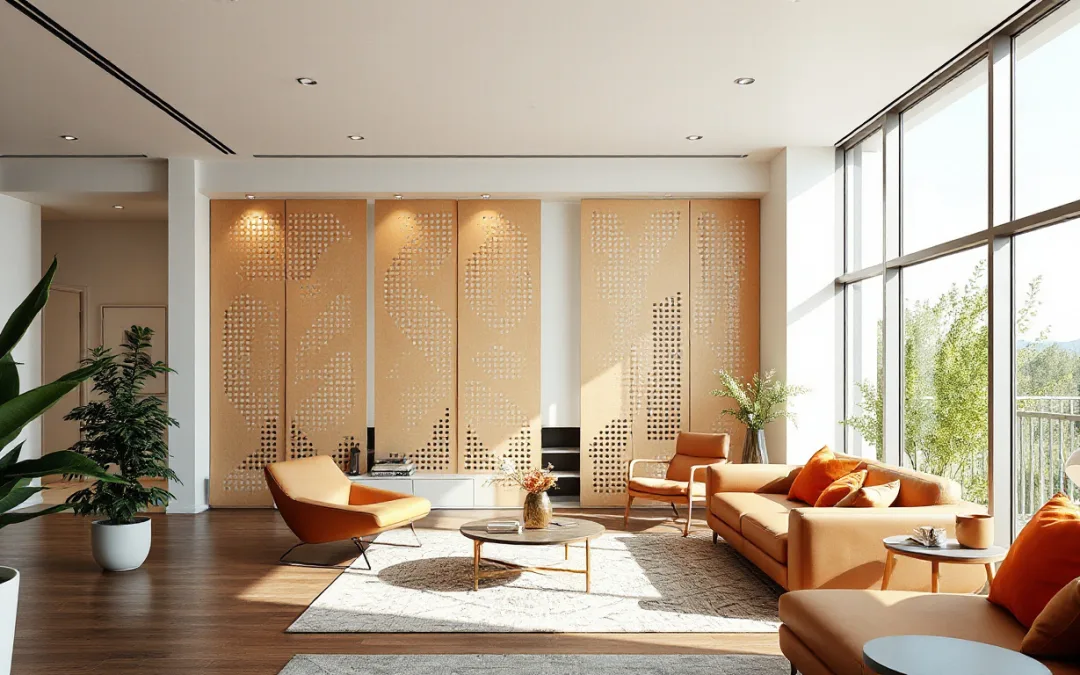
In the realm of interior design, making thoughtful choices about space division and aesthetics can profoundly impact the overall ambiance of any environment.

Enter punched panel screens – a versatile and stylish solution that not only enhances privacy but also adds a touch of innovation to your interiors.

With a myriad of designs and materials available, punched panel screens are becoming increasingly popular among homeowners, businesses, and designers alike.

This ultimate guide will walk you through the various advantages of utilizing punched panel screens, explore their diverse styles and materials, provide installation and maintenance tips, and ignite your creativity with imaginative applications.

Whether you’re looking to redefine your living area or create a dynamic workspace, punched panel screens offer an inspiring way to transform your space.

Enquire NOW

Transform Your Space: The Ultimate Guide to <b width="1344" height="768" />Punched Panel Screens</b>‘ style=’display: block; margin: auto; max-width: 100%; height: auto;’></p><h2>Key Takeaways</h2><ul><li><b>Punched panel screens</b> enhance aesthetic appeal while providing functional space division.</li><li>They come in various styles and materials, catering to different interior design preferences.</li><li>Proper installation and maintenance are crucial for maximizing the longevity of <b>punched panel screens</b>.</li><li>Creative applications, such as room dividers or wall art, showcase their versatility in design.</li><li>Incorporating <b>punched panel screens</b> can significantly impact a space’s ambiance and character.</li></ul><h3>Introduction to <b>Punched Panel Screens</b></h3><p><b>Punched panel screens</b> have gained significant popularity in various industries due to their unique blend of functionality and aesthetic appeal.</p><p>These innovative screens are created by perforating metal sheets, resulting in a variety of designs and patterns that not only enhance visual interest but also promote optimal airflow and natural light.</p><p>Commonly used in architectural designs, industrial applications, and even art installations, <b>punched panel screens</b> serve diverse purposes such as privacy screening, decorative facades, and acoustic panels.</p><p>Their versatility allows for integration into a range of environments, making <b>punched panel screens</b> a sought-after solution for modern design challenges.</p><h3>Benefits of Using <b>Punched Panel Screens</b> in Interior Design</h3><p><b>Punched panel screens</b> are quickly gaining traction in the realm of interior design due to their unique blend of functionality and aesthetic appeal.</p><p>One of the primary benefits of using <b>punched panel screens</b> is their ability to create versatile space division.</p><p>Whether you are looking to define areas in open-plan offices or craft cozy nooks in residential spaces, these screens offer a stylish solution that can adapt to various design needs.</p><p>Additionally, <b>punched panel screens</b> enhance privacy without completely obstructing light, allowing for airy, well-lit environments that feel open yet separated.</p><p>Their customizable patterns can reflect personal style or brand identity, making them a perfect element for both home and commercial settings.</p><p>Moreover, they often contribute to acoustics by reducing noise levels, thereby promoting a more serene atmosphere.</p><p>With sustainability in mind, many <b>punched panel screens</b> are made from eco-friendly materials, aligning with the growing trend toward environmentally conscious design choices.</p><p>Overall, incorporating <b>punched panel screens</b> into your interior design not only upgrades the aesthetics of a space but also improves its functionality, making them an essential feature for modern interiors.</p><blockquote><p>‘The best design is the simplest one that works.’ – Albert Einstein</p></blockquote><p><a href=Enquire NOW

Different Styles and Materials of <b>Punched Panel Screens</b>‘ style=’display: block; margin: auto; max-width: 100%; height: auto;’></p><h3>Different Styles and Materials of <b>Punched Panel Screens</b></h3><p><b>Punched panel screens</b> are an innovative solution that combines aesthetic appeal with functionality in various environments.</p><p>These screens can be made from a wide range of materials, including metal, wood, and plastic, each offering unique advantages.</p><p>For instance, metal <b>punched panel screens</b> are renowned for their strength and durability, making them ideal for outdoor applications or high-traffic areas.</p><p>On the other hand, wooden <b>punched panel screens</b> bring warmth and a natural look, perfect for interior spaces seeking a chic, organic feel.</p><p>Additionally, the pattern and design options available in <b>punched panel screens</b> are virtually limitless, allowing for customization that aligns with any decor style—whether modern, industrial, or traditional.</p><p>When choosing the right <b>punched panel screens</b>, it is crucial to consider not only the material but also the intended use, as these factors will play a significant role in ensuring the right balance between aesthetic appeal and practical functionality.</p><h3>Installation and Maintenance Tips for <b>Punched Panel Screens</b></h3><p>When it comes to maximizing the benefits of <b>punched panel screens</b>, proper installation and maintenance are crucial.</p><p>First and foremost, ensure that you select the right type of punched panel screen suitable for your environment, whether it be for architectural elements, security systems, or acoustical solutions.</p><p>During installation, pay close attention to the mounting process; securing the panels with the appropriate hardware will enhance their durability and functionality.</p><p>Regular inspections are vital; check for any signs of wear or damage, especially if your <b>punched panel screens</b> are exposed to harsh weather conditions.</p><p>Cleaning is also an essential part of maintenance—use a soft cloth and a mild detergent to remove dirt and grime, ensuring your panels always look their best.</p><p>By following these installation and maintenance tips for <b>punched panel screens</b>, you can ensure longevity and optimal performance, keeping your spaces both functional and aesthetically pleasing.</p><p><img data-lazyloaded="1" src="data:image/svg+xml;base64,PHN2ZyB4bWxucz0iaHR0cDovL3d3dy53My5vcmcvMjAwMC9zdmciIHdpZHRoPSIxMzQ0IiBoZWlnaHQ9Ijc2OCIgdmlld0JveD0iMCAwIDEzNDQgNzY4Ij48cmVjdCB3aWR0aD0iMTAwJSIgaGVpZ2h0PSIxMDAlIiBzdHlsZT0iZmlsbDojY2ZkNGRiO2ZpbGwtb3BhY2l0eTogMC4xOyIvPjwvc3ZnPg==" data-src=